Broken concrete slab with cracking and displaced pieces

Concrete Repair Service

Commercial Concrete Repair
in Lee's Summit, MO

We repair and replace damaged exterior concrete for property owners, managers, HOAs, and small businesses. Send photos and project details for cracked walkways, building entrances, exterior slabs, service-area sections, or concrete near parking areas so we can prepare for the follow-up.

Get a Free Estimate

Project Photos - OptionalAdd up to three photos showing the full area and the damage.

    Local ServiceServing Lee's Summit
    Concrete ServicesResidential & commercial projects
    Commercial Concrete RepairPractical repair options
    Free EstimatesRequest a project review
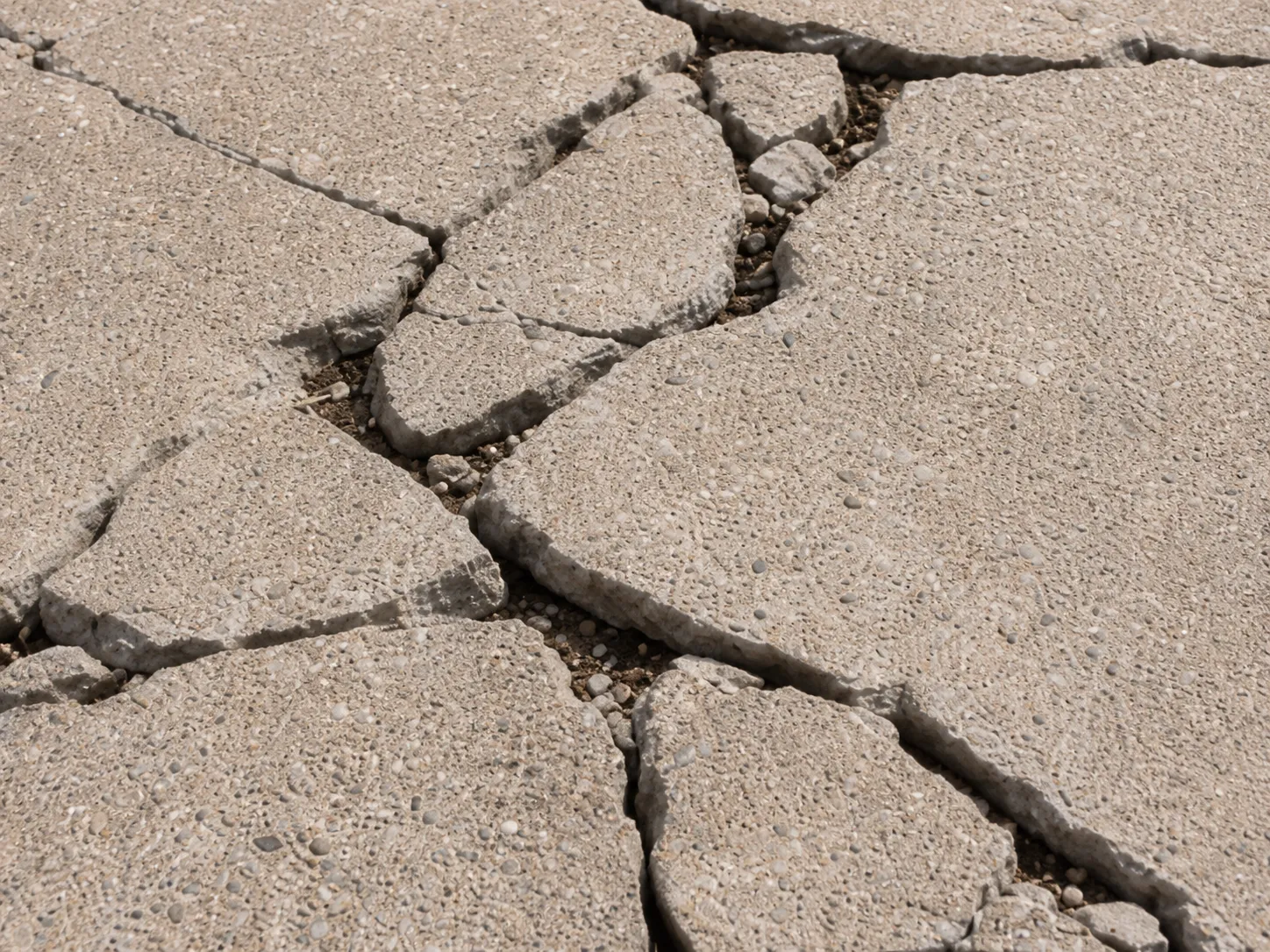
    Broken concrete slab with cracking and displaced pieces

    Commercial Concrete Problems We Address

    We repair and replace damaged exterior concrete at commercial properties, including walkways, entrances, common areas, service-area slabs, and concrete sections near parking areas.

    Cracked and Broken Concrete

    Cracks, broken corners, and separated panels can spread when water reaches joints and slab edges or when the concrete loses support below.
    Uneven or Settled Slabs

    Raised, sunken, or rocking sections can affect walking surfaces, entrances, and transitions between concrete areas.

    Surface Scaling and Spalling

    Flaking, pitting, and worn concrete can leave a rough surface and expose weaker material beneath the finished layer.

    Failed Previous Patches

    Patches that separate, crack again, or break down can point to movement, drainage, or base-support problems that need more than another surface repair.

    Drainage-Related Deterioration

    Water that collects along joints, low areas, or slab edges can contribute to erosion, surface wear, and continued movement.

    Damaged Entrances and Walkways

    Broken edges, uneven transitions, and deteriorated panels near doors, steps, and walkways can affect access around the property.

    Surfaces and Areas

    We work on exterior concrete surfaces where cracking, movement, surface damage, drainage, or failed patches affect daily use.

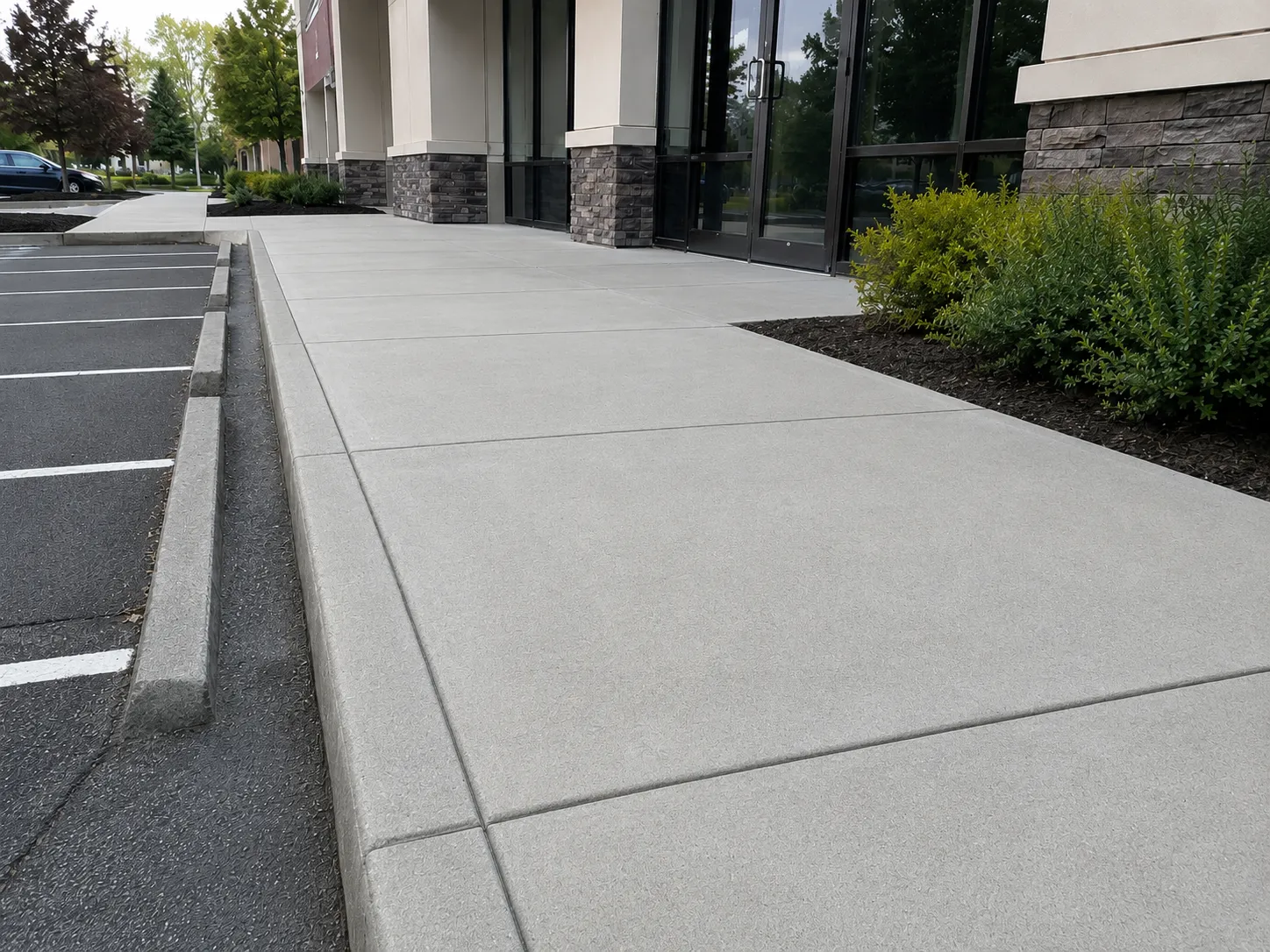
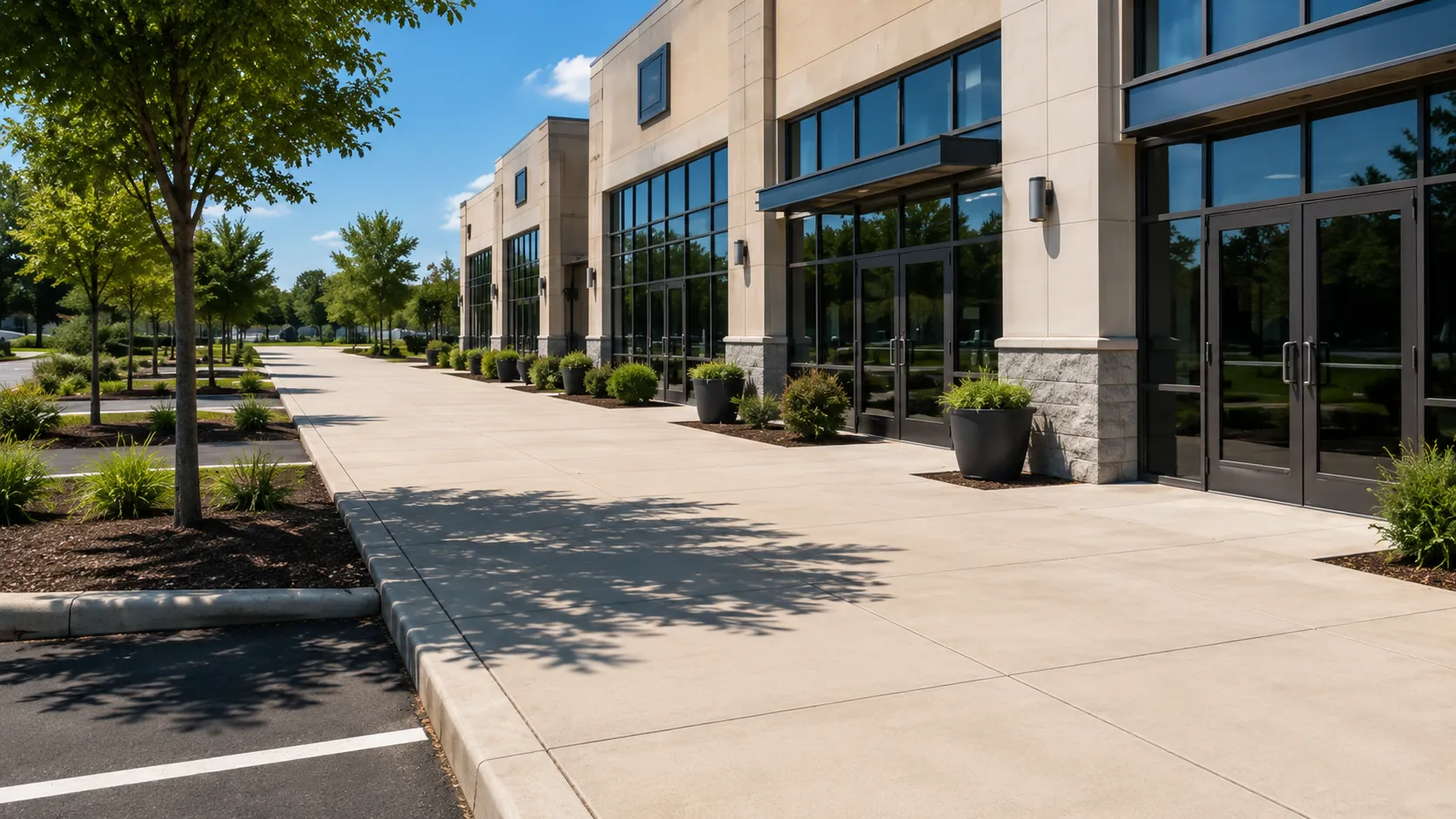
    Commercial building entrance walkway and surrounding concrete surface.

    Customer and Employee Walkways

    We repair or replace damaged concrete walkways serving customer, resident, and employee areas.

    Building Entrances

    Entrance landings, approaches, and connected walkways can need repair when cracking, settlement, or edge damage affects the concrete.

    Courtyards and Common Areas

    HOA, apartment, office, restaurant, church, and retail common areas can develop surface wear, cracking, and drainage problems over time.

    Dumpster and Service-Area Slabs

    Exterior service areas can need repair or replacement when damaged concrete affects access, drainage, or day-to-day use.

    Concrete Near Parking Areas

    Concrete sections beside parking areas, curbs, and access drives can crack or settle where traffic, water, and slab edges add stress.

    Non-Structural Equipment Pads

    We can review accessible exterior equipment pads when they are non-structural and the concrete damage is within our repair or replacement work.

    TYPICAL REPAIR SCENARIO

    Before & After

    This example shows the kind of damage we address. Repair methods depend on the crack pattern, movement, support, and condition of the slab.

    BEFORE

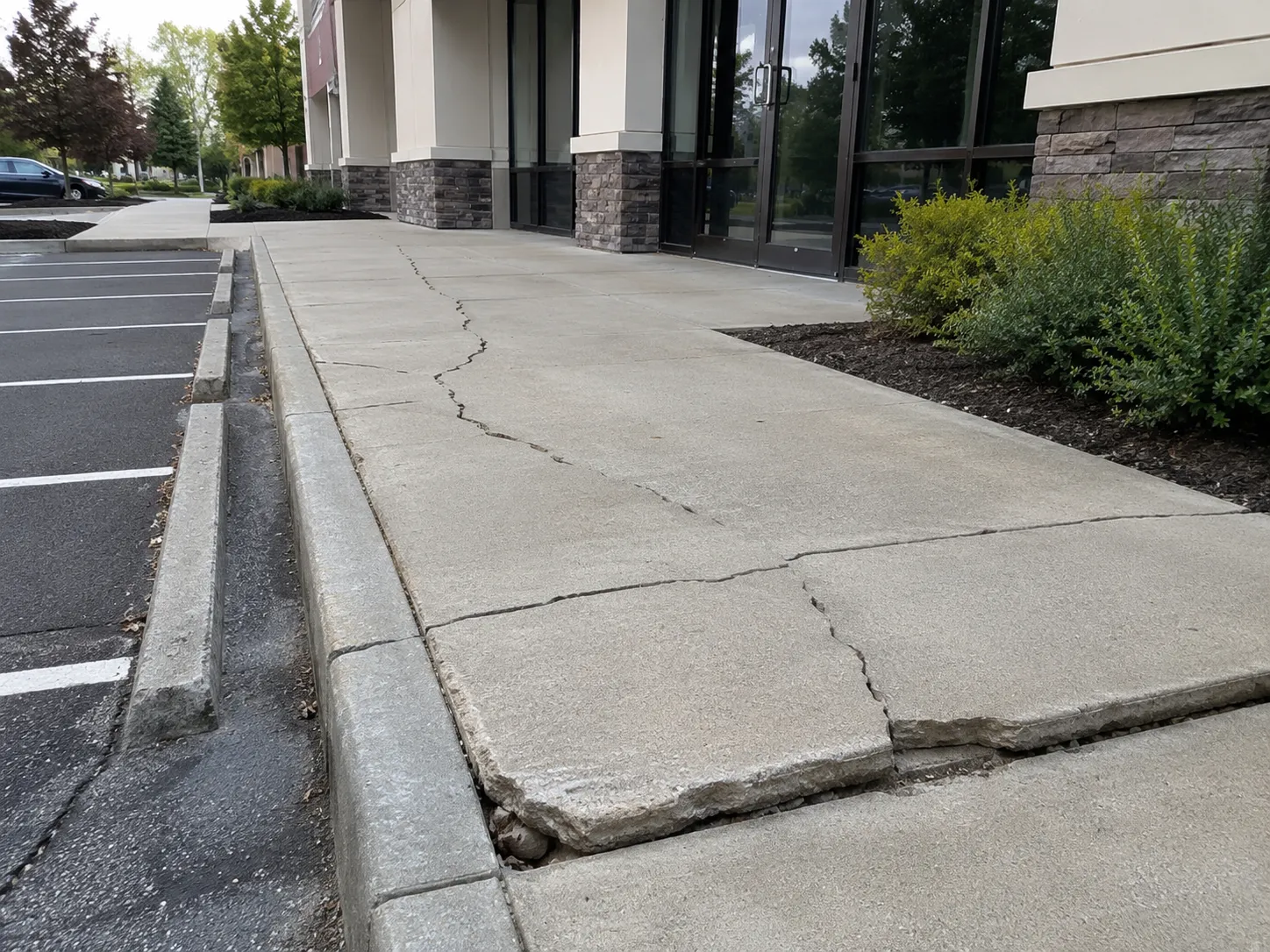
    Cracked and displaced commercial concrete walkway near a building entrance.

    Cracked panels, broken edges, low spots, and failed patches can affect access and daily use around a commercial property.

    AFTER

    Newly replaced commercial concrete walkway near a building entrance.

    We repair stable damage or replace failed sections while accounting for adjacent concrete, drainage, access, and curing restrictions.

    Repair or Replacement?

    Repair may make sense

    We repair localized damage when the surrounding concrete is stable and the work can restore a usable surface without removing sound sections.

    • Cracks are stable with little or no vertical offset.
    • Damage is limited to a corner, joint, edge, or small area.
    • The slab remains well-supported.
    • Surface wear is shallow and confined.
    • A focused repair can address the damaged area without leaving weak transitions.

    Replacement may be better

    We replace individual panels or larger sections when cracking, movement, weak support, or repeated patch failure makes another repair unlikely to hold up.

    • Cracks extend across several sections.
    • One side of a crack sits noticeably higher.
    • Concrete rocks, breaks apart, or has lost support.
    • Surface failure covers a broad area.
    • Water collects because grade or drainage has changed.
    • Previous patches have separated or failed.
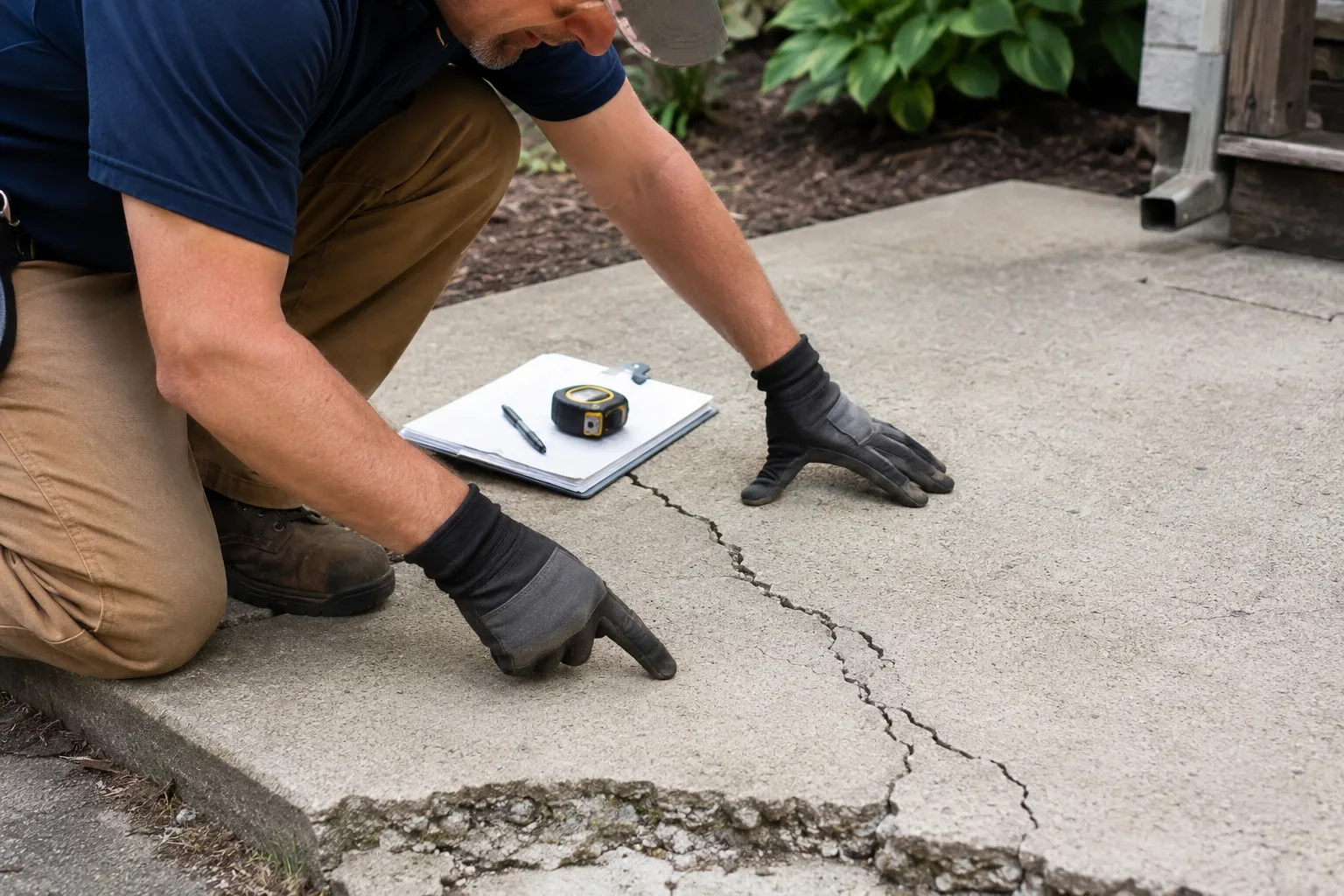
    Worker measuring a crack in a concrete slab

    Commercial Project Planning

    Commercial concrete work often requires planning around operating hours, pedestrian and vehicle movement, deliveries, work-zone isolation, phased access, and curing. We review how the property is used, which routes must remain available, and when each area can return to service before setting the work plan.

    • Operating hours and high-traffic periods
    • Customer, resident, and employee movement
    • Required entrances and pedestrian routes
    • Delivery, service, and vehicle access
    • Work-zone isolation and phased repair limits
    • Curing, safety, and reopening restrictions

    Residential and Commercial Distinction

    Commercial properties can require more coordination around pedestrian access, work-area control, property rules, and municipal or right-of-way requirements. Requirements can vary by property and location, so we discuss site-specific questions before work begins.

    Our Commercial Concrete Process

    1. 1

      Review Submitted Details and Photos

      Share the property type, damaged area, approximate dimensions, access notes, and wide and close-up photos of the concrete.

    2. 2

      Inspect Damage and Access

      We inspect the cracking, movement, drainage, nearby concrete, access routes, and conditions around the affected area.

    3. 3

      Plan Repair Limits and Access

      We identify repair or removal limits, required entrances and routes, and whether the work can be completed in one area or divided into phases to maintain practical property access.

    4. 4

      Remove Damaged Concrete When Required

      When a section has failed, we remove the damaged concrete within the planned limits.

    5. 5

      Correct or Prepare the Base as Needed

      We address exposed support conditions and prepare the base where the work calls for it.

    6. 6

      Place, Finish, Cure, and Reopen the Area

      New concrete is placed, finished, jointed, and protected while it cures. We communicate when pedestrians, deliveries, service equipment, or vehicles can return to each completed area.

    Frequently Asked Questions

    Do you handle both commercial repair and replacement?

    Yes. We repair stable, localized damage and replace individual panels or larger sections when cracking, movement, weak support, or failed patches call for new concrete.

    Can individual walkway or entrance sections be replaced?

    Often, yes. We review joints, adjacent concrete, drainage, and transitions to see whether a damaged section can be removed and replaced on its own.

    Can work be planned around business or resident access?

    Often. We review operating hours, entrances, pedestrian routes, deliveries, and high-traffic periods before scheduling. Access plans depend on removal needs, equipment, weather, concrete placement, and curing, and larger projects may be divided into phases when practical.

    How long must new concrete remain closed?

    The waiting period depends on the concrete mix, weather, the surface use, and curing conditions. We review restrictions for the specific area before it returns to use.

    Do commercial concrete projects require permits?

    Permit or property requirements can vary with the location, the work, and whether the area connects to public space or a right-of-way. Check with the property owner and local authority when those questions apply.

    What information should I submit for an estimate?

    Send the property type, damaged area, approximate size, access notes, drainage concerns, and photos that show the full area, close-up damage, and nearby transitions.

    Plan Your Commercial Concrete Project

    Include the property type, damaged surface, approximate dimensions, access details, and photos showing the full area and close-up damage. Our repair-or-replacement guide outlines the visible conditions and use restrictions that affect that choice. Our Concrete Repair Cost Factors and Estimate Preparation Guide explain the details that help us prepare for an estimate. You can also contact us with project questions.

    • Describe the issue
    • Add project photos
    • Submit for review

    Tell Us About Your Project

    Project Photos - OptionalAdd up to three photos showing the full area and the damage.

      Request an Estimate