Concrete Repair Service

Concrete Crack Repair in Lee's Summit, MO

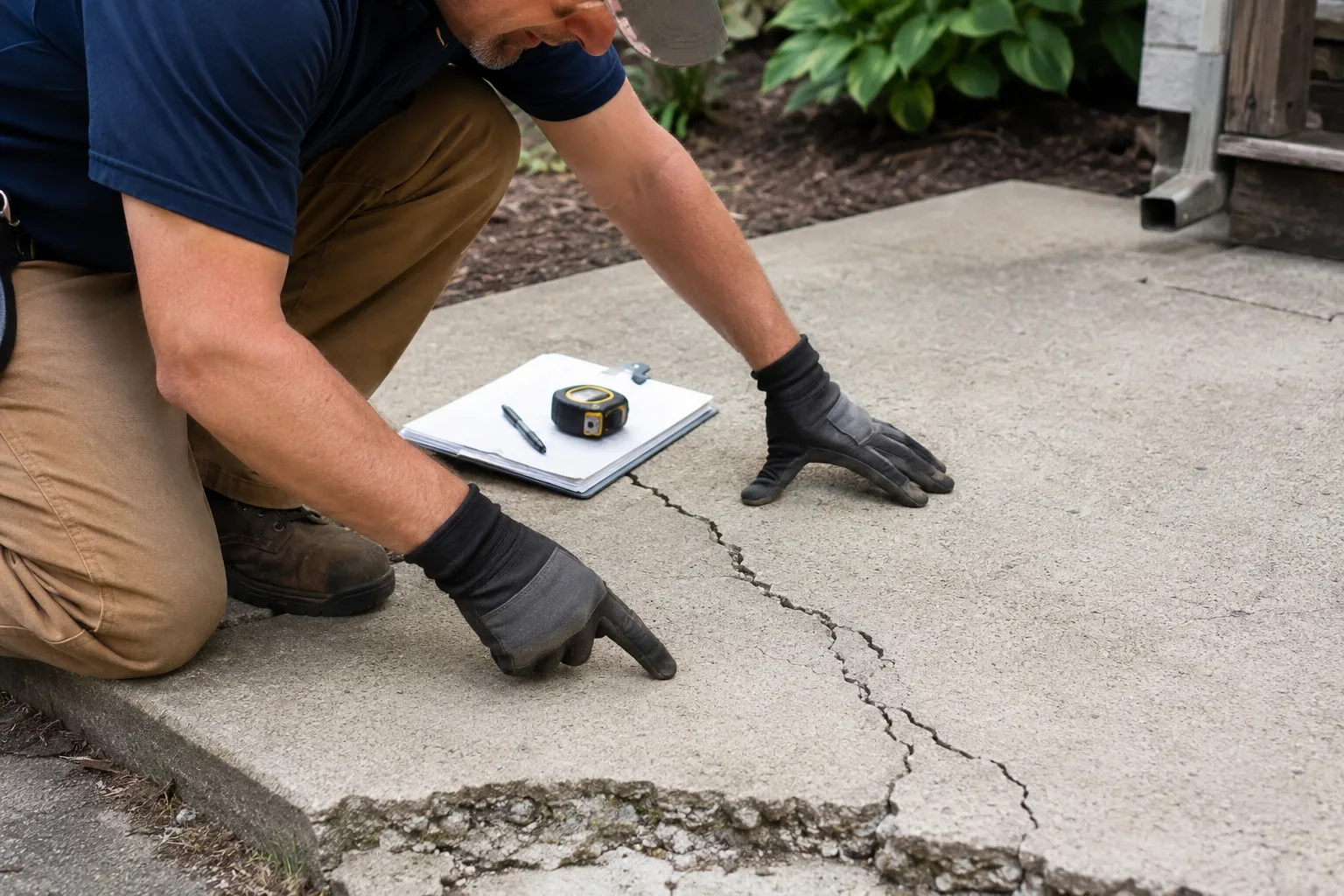
A crack is a symptom, not a complete diagnosis. Some cracks develop as concrete shrinks and cures. Others form because the slab has lost support, absorbed moisture, carried repeated loads, or moved with the surrounding soil.

The correct repair depends on whether the crack is stable, whether the two sides remain level, and whether the surrounding concrete is still sound. A narrow crack may be suitable for cleaning and sealing. A wide, offset, recurring, or branching crack may require a more substantial repair or replacement of the affected section.

Submit photos and project details through the form for an initial review.

Types of Concrete Cracks

Hairline Cracks

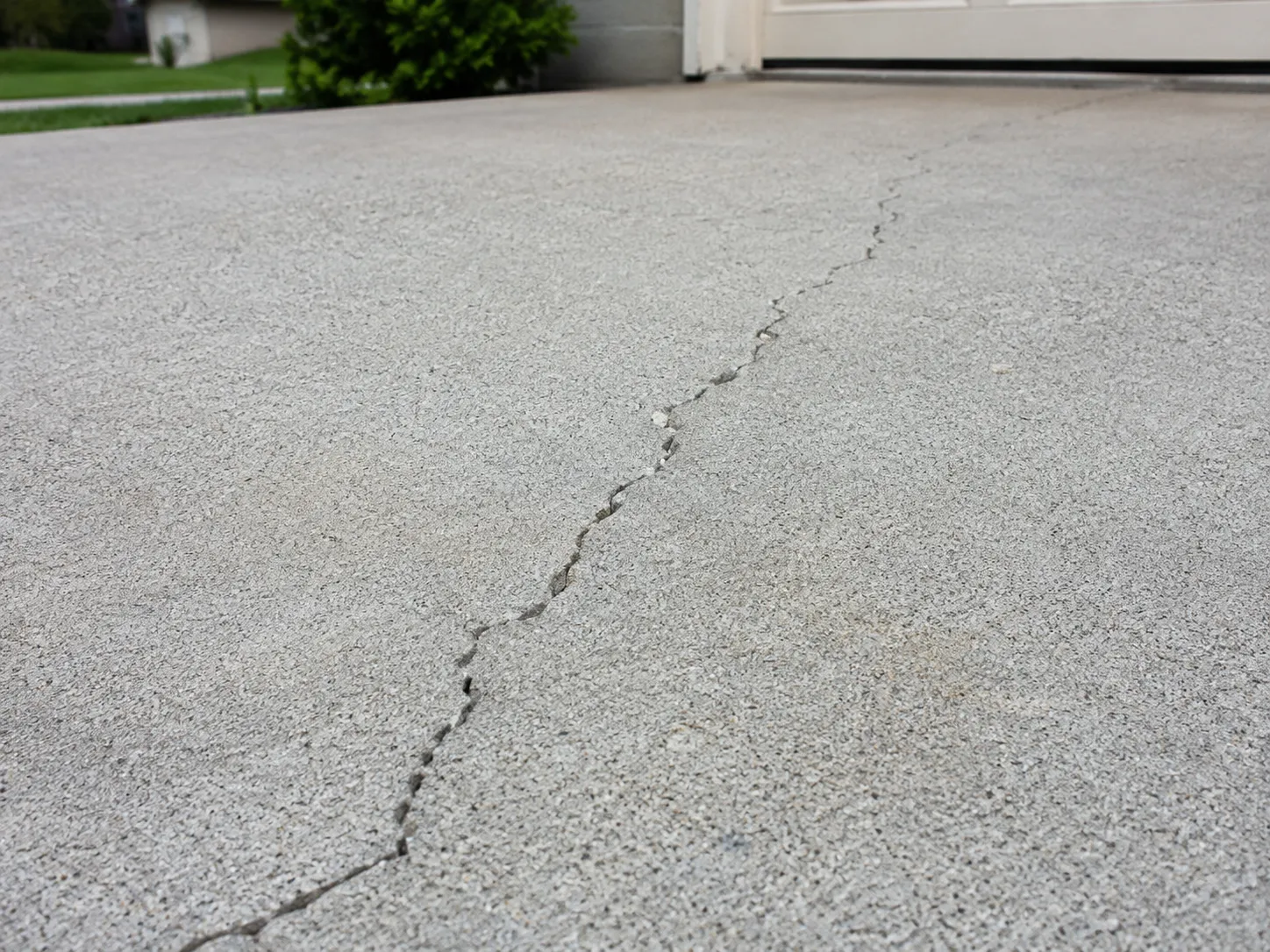
Very narrow cracks are common in exterior concrete. Some are mainly cosmetic, while others allow moisture into the surface. The location, pattern, and change over time matter more than width alone.

Shrinkage Cracks

Concrete naturally changes volume as it cures. Shrinkage cracks often appear relatively early and may remain stable. When the slab is otherwise sound, cleaning and sealing may be appropriate.

Cracks Along Joints

Control joints are intentionally placed to encourage cracking in planned locations. Cracks or gaps at joints may require cleaning and joint material rather than a rigid surface patch.

Widening or Recurring Cracks

A crack that continues to open after previous repairs may indicate active movement. Reapplying the same material without evaluating the cause can lead to another failure.

Offset Cracks

When one side of a crack is higher than the other, the slab has moved vertically. A surface filler cannot restore the original alignment. The affected section may need replacement if the displacement is significant.

Branching or Map Cracks

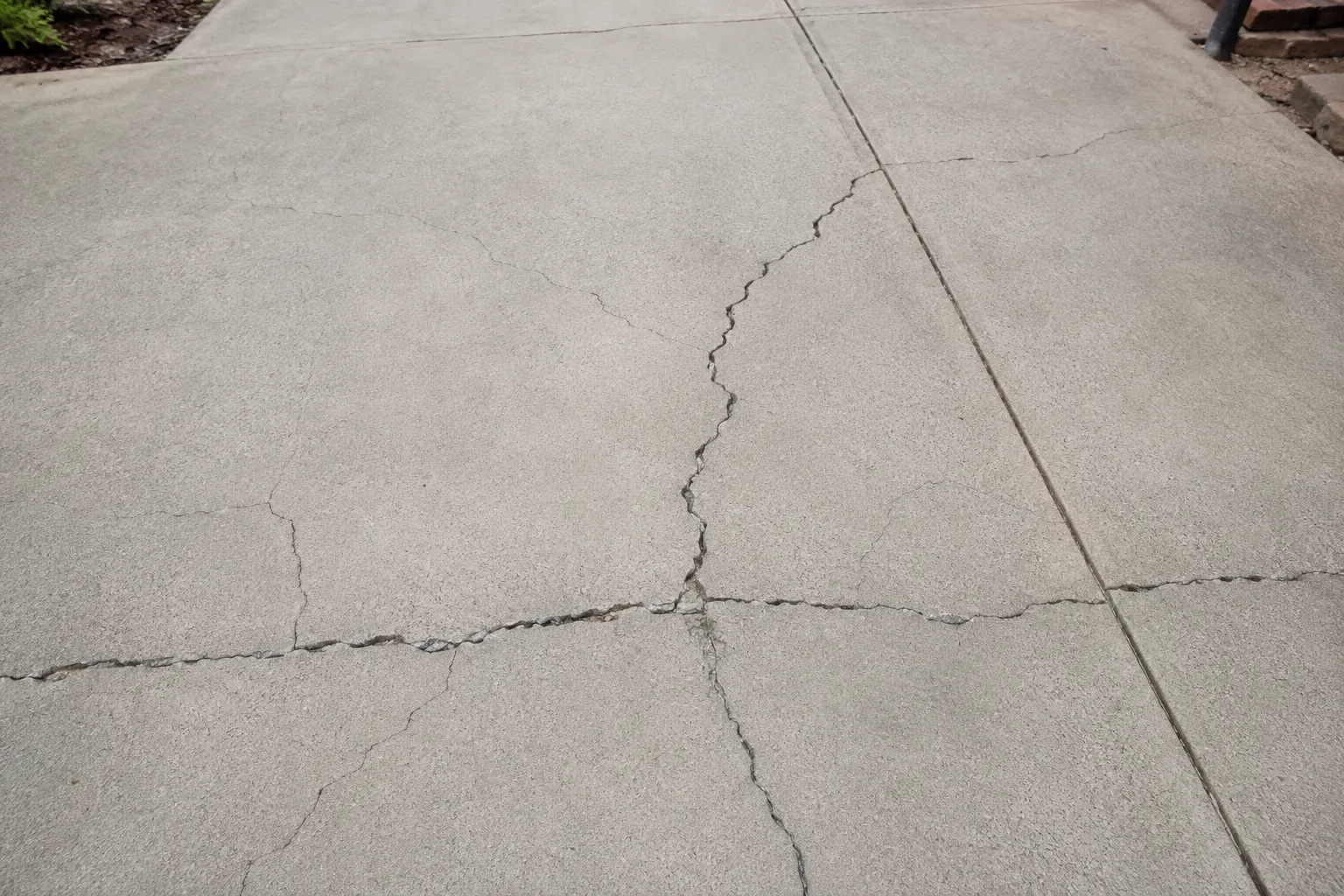
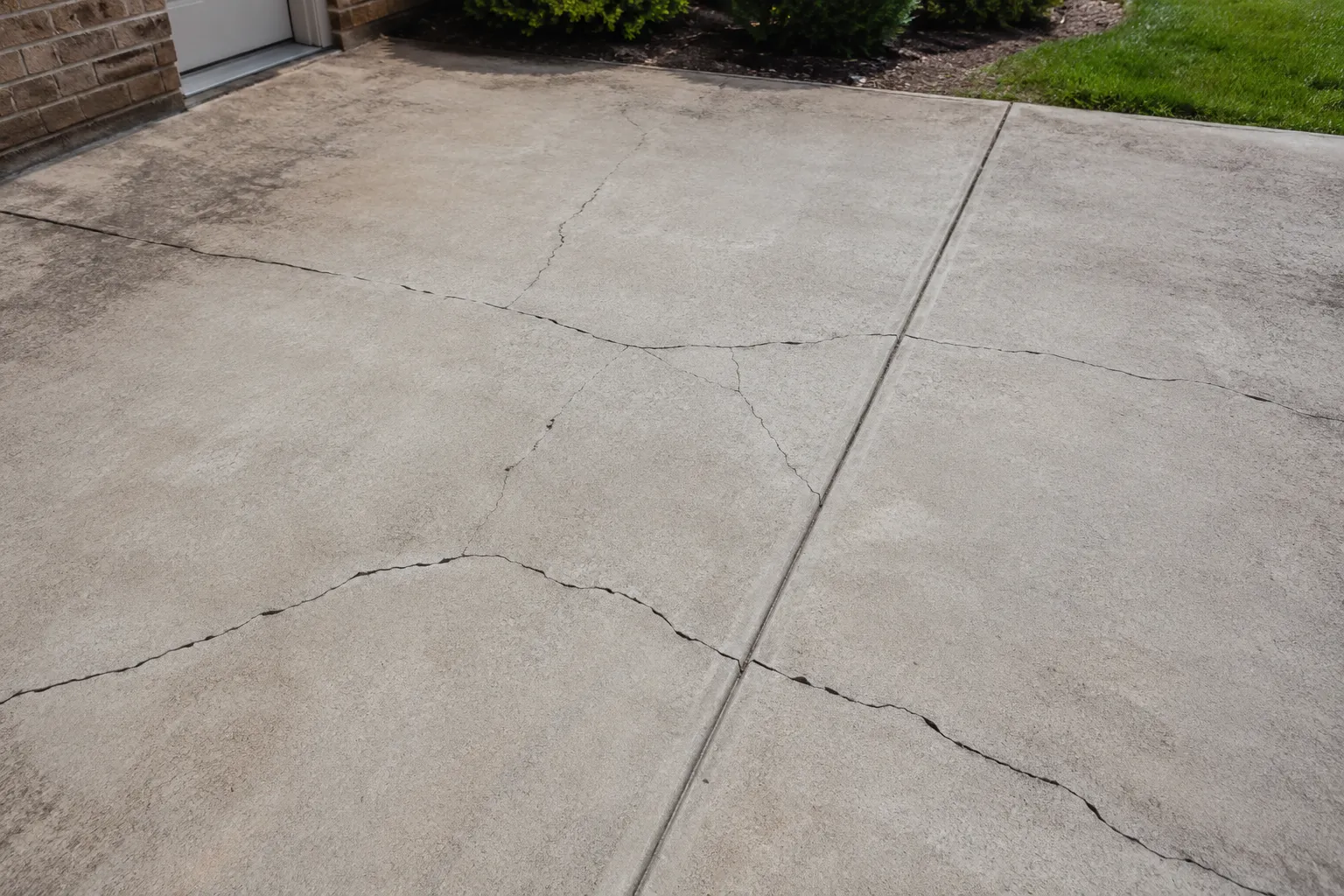
Multiple interconnected cracks can indicate surface deterioration or more extensive slab failure. The appropriate response depends on depth, movement, and how much of the slab is affected.

Concrete Crack Repair Options

The following methods may be considered depending on the project. Not every method is appropriate for every crack.

Cleaning and Sealing

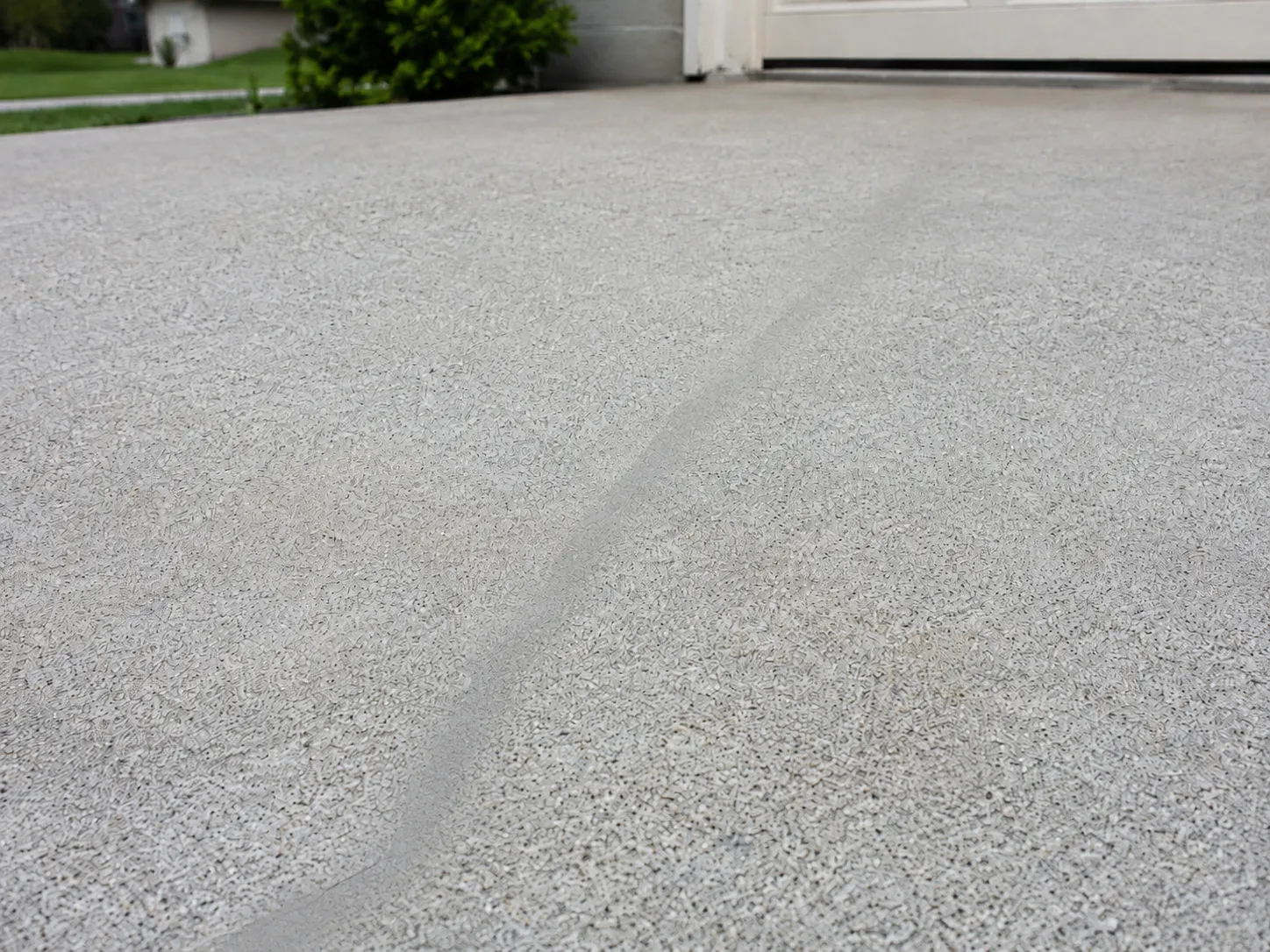
The crack is prepared to remove loose material and debris, then sealed with a product selected for the location and expected movement. This can reduce water and debris entry but may not prevent a moving crack from reopening.

Flexible Crack Filling

A flexible material may be used where minor movement is expected. Flexibility can help accommodate small changes, but it does not correct base failure or vertical displacement.

Rigid Patching

A cement-based or similar repair material may rebuild a chipped or broken area when the surrounding concrete is stable. Rigid patches can fail when applied across an actively moving crack.

Joint Repair

Cracks at control or expansion joints may require joint cleaning, edge repair, and replacement of deteriorated joint material.

Localized Section Replacement

When a crack divides a slab into unstable pieces or includes substantial vertical movement, removing and replacing the affected section may be more durable than filling the crack.

What Crack Repair Can—and Cannot—Do

A properly selected crack repair can:

  • Reduce water and debris entry
  • Rebuild missing material
  • Improve the appearance of a damaged area
  • Slow edge deterioration
  • Restore a smoother transition in some localized areas
  • Extend the useful life of otherwise sound concrete

Crack repair cannot:

  • Permanently stop active soil or slab movement
  • Realign a significantly displaced slab
  • Guarantee that a crack will never return
  • Create an invisible color match
  • Restore badly deteriorated concrete beneath a sound-looking surface
  • Replace the need for drainage or base correction

Clear expectations are important. The best repair is not always the repair that hides the crack most completely on the first day; it is the solution that fits the actual condition of the slab.

When Replacement Is More Appropriate

Replacement should be considered when:

  • The crack has major vertical offset.
  • The slab has broken into several moving pieces.
  • Cracks cover a large percentage of the surface.
  • The concrete surrounding the crack is soft, scaling, or crumbling.
  • Water collects because the slab grade has changed.
  • Previous repairs repeatedly separate.
  • The estimated life of another repair does not justify the cost.

For driveway-specific problems, visit Driveway Repair. Cracked walkways are covered under Sidewalk Repair, and outdoor living areas are covered under Patio Repair.

How to Photograph a Concrete Crack

Useful photos can make the initial review more accurate.

Include:

  1. A wide photo showing where the crack is located on the slab.
  2. A close-up showing the crack width and surrounding surface.
  3. A side-angle photo if one side is higher than the other.

A ruler or common object can help show scale, but do not place anything in a location that creates a safety issue. Also note whether the crack has changed over time, holds water, or has been repaired before.

Frequently Asked Questions

Can every concrete crack be repaired?

Most cracks can be treated in some way, but not every crack should be filled. A crack caused by active movement or major displacement may require replacement of the affected section.

Will concrete crack repair stop water completely?

A properly prepared seal can reduce water entry, but exterior concrete remains exposed to weather and movement. No surface repair should be presented as a permanent waterproofing guarantee.

Why did my previous crack repair fail?

Common reasons include poor surface preparation, using a rigid material on a moving crack, moisture, continued slab movement, or deterioration of the surrounding concrete.

Can you make the crack invisible?

Usually not. Repair materials and new concrete differ from aged concrete in color and texture. The repaired area may become less noticeable, but an exact visual match is unlikely.

Is a wider crack always worse than a narrow crack?

Not necessarily. Width matters, but vertical displacement, movement, depth, pattern, and the condition of the surrounding slab are equally important.

Should I repair a crack before winter?

Reducing water entry before repeated freezing conditions may help limit further deterioration, but the timing and repair material must fit the project and weather. The crack should still be evaluated for active movement.

Request a Concrete Crack Repair Estimate

Use the form to identify the surface, location, approximate crack length, and whether the crack is changing. Attach up to three photos, including a side view when there is a height difference.

Have Damaged Concrete?

Describe the problem and attach photos for an initial project review.

Request an Estimate